

Updated 3|16|2026
Car Accident with a Scooter: Understanding Liability, Insurance Claims, and Injury Compensation
Car accidents with scooters cause serious injuries requiring medical treatment, vehicle damage compensation, and liability claims against negligent drivers. E-scooter injuries reached 118,485 in 2024—nearly double the 64,329 injuries in 2023 (Campus Safety Magazine). With 12 of 17 scooter fatalities involving collisions with motor vehicles (Oregon Health Authority), understanding legal rights to insurance compensation and driver liability becomes critical for injury recovery.
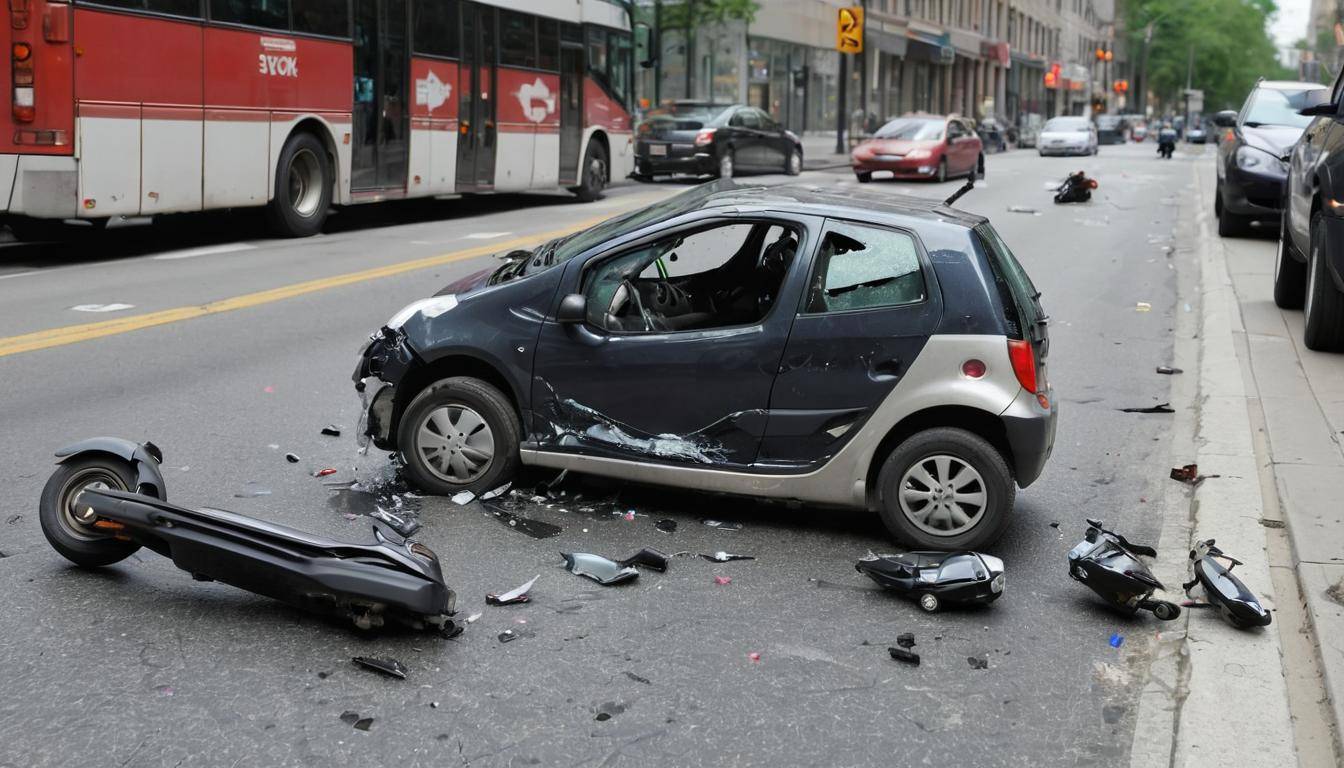
Understanding Scooter Accident Liability and Insurance Coverage
Driver negligence causes most car-scooter collision injuries. Drivers who fail to yield, violate traffic laws, drive distracted, or ignore scooter rider safety create liability for resulting crash injuries and damages. Insurance companies evaluate police reports, witness statements, and accident scene evidence to determine fault and process compensation claims for medical expenses, vehicle damage, and injury recovery.
Driver Liability in Scooter Collisions
Drivers owe scooter riders the same duty of care as other road users. This duty extends to all vulnerable road users including pedestrians, cyclists, and scooter operators who lack the protective barriers vehicles provide. Failure to check blind spots before turning, opening car doors into traffic lanes, following too closely, operating at excessive speed through intersections, or speeding in areas with heavy scooter traffic establishes driver negligence. Collision documentation proving driver fault strengthens insurance claims and liability lawsuits pursuing injury compensation.
Insurance Coverage for Scooter Accidents
Multiple insurance policies may provide compensation including the at-fault driver’s auto liability coverage, your uninsured/underinsured motorist protection, personal injury protection (PIP), and health insurance. Understanding which policies apply and coverage limits helps maximize total damage recovery from all available insurance sources when car-scooter crashes cause injuries requiring medical treatment.
Scooter Accident Injury Statistics and Safety Risks
E-scooter injuries surged dramatically with 509 reported injuries in the first nine months of 2025 in Oregon alone—more than doubling from 211 injuries in 2021 (Oregon Health Authority). This sharp acceleration represents a 22% increase from 2024 levels, with injuries frequently involving head trauma, broken bones, and serious damage requiring emergency or inpatient care rather than minor road rash.
Collision vs. Non-Collision Injuries
While 12 of 17 scooter fatalities involved motor vehicle collisions, five occurred without traffic involvement, highlighting multiple injury risks (Oregon Health Authority). Vehicle collision injuries tend toward more severe trauma including head injuries, internal damage, and fractures requiring extensive medical treatment and long-term recovery compared to falls or mechanical failure incidents.
Age and Injury Severity Factors
Concerning data shows 59% of scooter fatality victims were over age 50 (Oregon Health Authority). Older riders face higher injury severity and mortality risks from car-scooter crashes due to reduced bone density, slower reaction times, and greater vulnerability to impact trauma. Head injuries represented 18.42% of all e-scooter injuries in 2024, with 67.7% occurring to males (Campus Safety Magazine).
Filing Insurance Claims After Car-Scooter Accidents
Report scooter accidents immediately to police and seek emergency medical attention to document injuries. Emergency ambulance transportation, immediate trauma care, and prompt medical documentation prevent insurance companies from to question injury severity or claim pre-existing conditions caused symptoms. Prompt medical evaluation establishes the accident-injury connection essential for successful compensation claims.
Evidence Collection and Scene Documentation
Gather accident scene photographs, driver information, witness contact details, police report copies, medical records, and scooter damage documentation. Evidence proving driver negligence, injury severity, and financial losses supports compensation claims during settlement negotiations or lawsuit proceedings. Comprehensive scene documentation prevents insurance companies from minimizing claim value or denying coverage.
Police Report Requirements
Police crash reports create official documentation that insurance companies rely upon when evaluating liability and processing claims. Reports detail collision circumstances, driver traffic violations, witness statements, and preliminary fault determinations. Obtain police report copies promptly to support insurance claims and legal proceedings establishing driver responsibility for scooter accident injuries.
Dealing with Insurance Adjusters
Insurance adjusters seek to minimize claim payouts through tactics including denying liability, disputing injury severity, offering lowball settlements, and pressuring quick releases. Avoid giving recorded statements without attorney guidance—adjusters use these statements to reduce compensation by extracting information suggesting comparative fault or pre-existing injuries that undermine claim value.
Types of Compensation Available for Scooter Injuries
Scooter accident compensation covers economic damages including medical expenses, rehabilitation costs, lost wages, scooter repair/replacement, and future medical care. Non-economic damages compensate pain and suffering, emotional distress, permanent disability, and reduced quality of life from serious crash injuries requiring long-term recovery and lifestyle adjustments.
Medical Expense Recovery
Immediate emergency room treatment, hospitalization, surgery, diagnostic imaging, specialist consultations, physical therapy, medication, and assistive devices all constitute compensable medical expenses. Future medical cost projections—particularly for permanent disabilities or ongoing treatment needs—significantly impact settlement amounts and total damage recovery from insurance claims or liability lawsuits.
Lost Wage Claims
Scooter injuries often prevent work during recovery periods causing immediate wage loss requiring compensation. Severe injuries may permanently reduce earning capacity when disabilities limit job performance or career advancement. Lost wage claims include documentation of missed work hours, salary reduction, lost bonuses, and diminished future earning potential requiring expert economic testimony in legal proceedings.
Property Damage and Equipment Loss
Scooter damage, destroyed safety equipment like helmets, damaged clothing, and personal property losses constitute compensable damages separate from injury claims. Document all property damage through photographs, repair estimates, replacement costs, and purchase receipts supporting insurance claims for full damage reimbursement beyond medical and wage loss compensation.
Helmet Use and Safety Equipment Requirements
Helmet use requirements vary by jurisdiction, with many states mandating helmets for riders under specific ages or on certain roadways. While helmet use doesn’t eliminate liability claims against negligent drivers, evidence of helmet non-use may reduce compensation amounts in states applying comparative fault rules reducing recovery based on injury victim responsibility percentages.
Impact of Safety Equipment on Claims
Proper safety equipment demonstrates reasonable care strengthening injury claims against negligent drivers. Insurance companies arguing comparative fault based on helmet non-use or safety violations face challenges when drivers committed clear traffic violations causing collisions. However, documented safety equipment use eliminates insurance company arguments reducing compensation based on rider negligence or safety violations.
When to Hire a Scooter Accident Attorney
Legal representation becomes essential when injuries are severe, claims are denied, fault is disputed, or insurance companies offer inadequate settlements. Attorneys experienced in scooter accident claims understand traffic laws, liability standards, insurance company tactics, and settlement negotiation strategies maximizing compensation recovery for injury victims.
Attorney Benefits and Contingency Fees
Scooter accident attorneys work on contingency arrangements—you pay no fees unless they recover compensation. This fee structure eliminates financial barriers to quality legal representation while aligning attorney interests with maximizing settlement or verdict amounts. Attorneys handle all claim procedures, evidence collection, expert witness coordination, insurance negotiation, and lawsuit prosecution during injury recovery.
Comparative Fault and Liability Defense
Insurance companies frequently argue scooter riders contributed to accidents through traffic violations, unsafe riding, or distracted operation. Attorneys counter these comparative fault arguments by proving driver negligence, documenting traffic law violations, and establishing that driver actions primarily caused collision injuries regardless of minor scooter rider infractions.
Common Scooter Accident Scenarios and Driver Negligence
Left-turn collisions occur when drivers turn without yielding to scooter riders in oncoming traffic lanes. Right-hook crashes happen when drivers turn right across scooter paths without checking blind spots or yielding. Door-zone crashes result from drivers or passengers opening vehicle doors into scooter lanes without checking traffic, causing severe collision impact and rider ejection injuries.
Intersection Collision Risks
Intersections present heightened crash risks when drivers fail to yield, run red lights, violate stop signs, or turn without observing scooter traffic. Poor intersection visibility, inadequate traffic signals, and driver distraction contribute to collision frequency. Evidence of driver traffic violations at intersections establishes clear liability for resulting scooter rider injuries and vehicle damage.
Lane-Change and Merging Accidents
Drivers changing lanes or merging without checking blind spots cause severe scooter crashes when vehicles collide with riders occupying adjacent lanes. Lane-change collision liability rests with drivers who failed to verify lane clearance before moving. Scooter lane position and rider visibility become key factors in establishing driver fault and securing insurance compensation.
Settlement Negotiation and Lawsuit Process
Insurance companies typically present initial settlement offers far below reasonable compensation values. These lowball offers test whether injured scooter riders understand claim worth. Never accept first offers without consulting an attorney who can accurately evaluate damages including future medical costs, permanent disability impacts, and full pain and suffering compensation.
When Settlement Fails
If insurance companies refuse fair compensation, filing lawsuits protects rights to full damage recovery. Scooter accident lawsuits involve formal discovery, expert witness testimony, accident reconstruction analysis, and trial proceedings where juries determine liability and award damages. Trial threat often motivates insurance companies to offer reasonable settlements rather than risk larger jury verdicts favoring injured scooter riders.
Get Your Free Case Evaluation Today
Don’t settle for less than you deserve. Our experienced scooter accident attorneys fight for maximum compensation while you focus on recovery.
Free consultation • No fees unless we win • Available 24/7