

Traffic signals and signage play a crucial role in determining liability in car accident cases. Improper or malfunctioning signals, as well as missing or unclear signage, can significantly affect the outcome of a case. It’s important to consult with a knowledgeable car accident attorney to understand how these factors may influence your specific case and the pursuit of fair compensation.
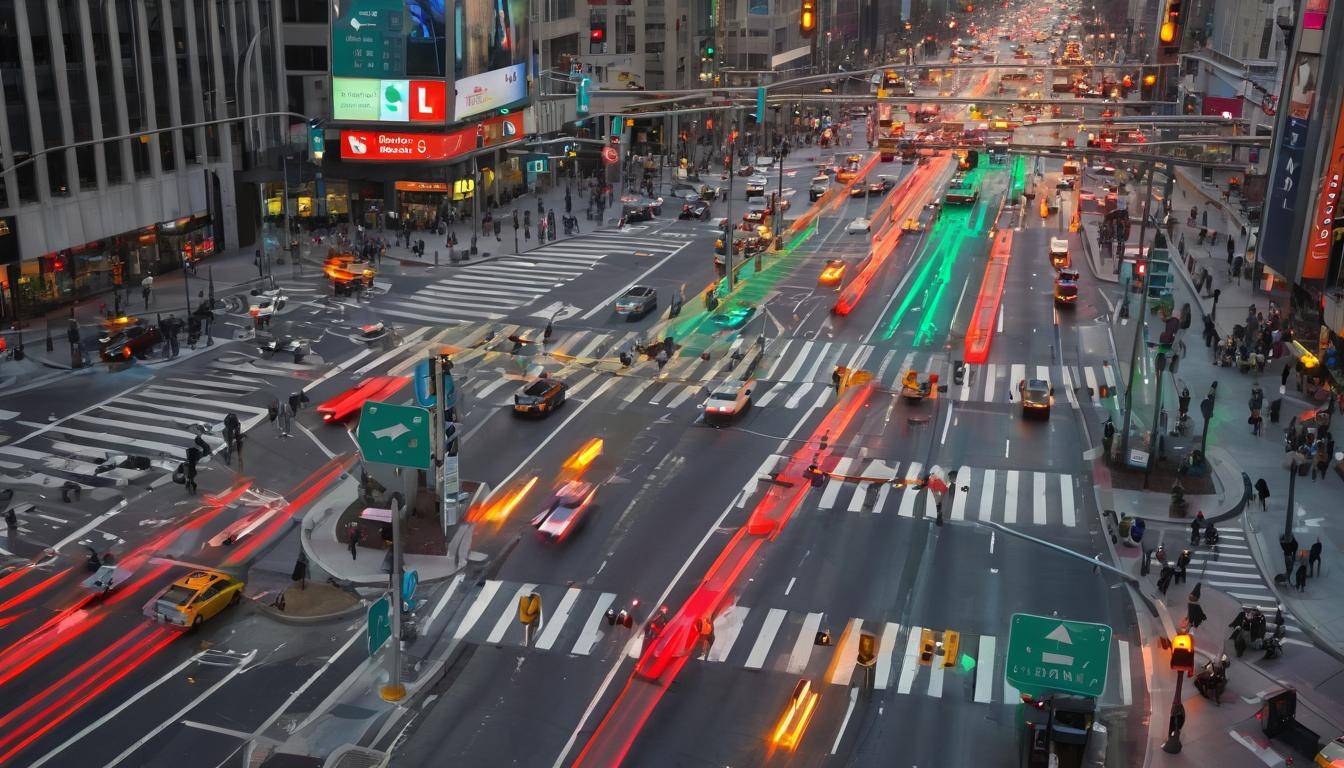
Traffic Signals and Signage Types
Within the architecture of road infrastructure, a diverse array of traffic signals and signage can be identified. These integral components work together to regulate traffic flow and communicate essential information to drivers, pedestrians, and cyclists. Let’s explore some key types of traffic signals and signage and understand their unique roles in promoting road safety.
Traffic Lights
Traffic lights are perhaps the most universally recognized form of traffic control. Their vibrant hues – red, yellow, and green – act as universal cues for all drivers on the road. Red instructs vehicles to stop, green indicates they can proceed, and yellow serves as a gentle warning: prepare to stop. Without these signals, intersections would be chaotic and dangerous, with vehicles vying for right of way amid confusion.
Stop Signs
The simple yet commanding octagonal shape of the stop sign is instantly recognizable to drivers. Its purpose is unmistakable: it requires a complete cessation of movement before proceeding. Stop signs are commonly situated at intersections where visibility is limited or where a larger volume of pedestrian activity is expected.
Yield Signs
Unlike stop signs, yield signs prompt a driver to slow down and prepare to stop if necessary. They signal that the driver must “give way” or yield to other vehicles. Placed in areas where merging lanes or reduced-speed zones exist, yield signs ensure that traffic navigates these transitions safely and smoothly.
Speed Limit Signs
Speed limit signs bear numbers indicating the maximum legal speed at which vehicles can operate in certain areas. This important tool helps manage the pace of traffic within both urban and suburban settings, safeguarding against hazardous conditions that may arise from excessive speed.
Pedestrian Crossings and Warning Signs
Pedestrian crossings and warning signs are strategically positioned to ensure the safety of pedestrians. These not only alert drivers to the presence of pedestrians but also signal potentially dangerous conditions ahead, such as sharp curves or steep gradients.
Understanding the significance of each type of traffic signal and signage is paramount when assessing liability in car accident cases. The adherence to these visual cues plays a pivotal role in determining fault and gauging negligence.
Unraveling the intricate web of responsibilities associated with different types of traffic signals and signage, let’s now delve into how liability is distributed based on traffic signal violations.
Safety and Visibility of Signage

Imagine yourself cruising down an unfamiliar street, looking for a stop sign only to realize it’s obscured by stately trees lining the curb. This is where proper installation, clear visibility, and regular maintenance of signage come into play. The effectiveness of these visual cues is only as good as their accessibility to drivers. Substandard safety and visibility conditions not only pose dangers but also hint at possible negligence.
Adequate Lighting: Just like actors on stage need proper lighting to be seen clearly, road signs and traffic signals must also be well-lit to be visible at all times. Especially during night-time or adverse weather conditions, well-lit signage becomes indispensable for ensuring safe navigation on roads. Hidden or poorly lit signs can create confusion for drivers, leading to unsafe driving conditions that could result in accidents.
Regular Maintenance: Over time, weather conditions can take a toll on the visibility and condition of traffic signs. Lack of regular maintenance can contribute to faded or damaged signs. Suppose a yield sign’s paint has started to peel off, making it appear more like a blank piece of metal than a cautionary notice. Such neglected signs can cause confusion amongst drivers and increase the risk of accidents.
Ineffective Street Lights: Inadequate street lighting near an intersection can obscure traffic signals at night, adding an element of uncertainty for approaching drivers. Anything that obstructs or dims the visibility of road signs can lead to misunderstandings among drivers, increasing the likelihood of accidents.
Overgrown Vegetation: A common yet often overlooked issue is overgrown vegetation concealing road signs and signals. Brushing against bushes might cover a yield sign or a speed limit sign, making them nearly invisible to motorists who rely on these notices for safe navigation.
Making signage more visible isn’t just about avoiding accidents; it’s about enhancing overall road safety for everyone sharing the roadways.
With these practical examples, we’ve gained insight into how ensuring proper lighting, regular maintenance, and uninterrupted visibility are vital components in safeguarding against potential hazards on our roads.
Traffic Signage Laws and Regulations

When driving, you encounter a variety of signs with different messages. Some instruct you to stop, while others indicate a speed limit. These signs are strategically placed based on specific guidelines set by traffic signage laws and regulations. They serve as a map for city planners, road authorities, and drivers, ensuring consistency and clarity in our complex network of streets and highways by governing the design, placement, and maintenance of road signage.
Each state in the US has its own transportation department that sets guidelines for the manufacturing, winding, dimensions, colors, and placement of signs on local roads and highways. For example, stop signs must have a certain size and red color with white lettering to be instantly recognizable from a distance. These laws also dictate where signs should be installed to ensure visibility to drivers from an appropriate distance before reaching an intersection or making a turn.
Importance of Compliance
The adherence to these regulations is crucial in determining fault in car accident cases. For instance, if a driver fails to yield at a stop sign causing an accident, it’s essential to verify whether the sign was positioned according to state laws. If it’s discovered that the sign did not meet these specifications, it could significantly affect the outcome of the case.
A breach of these laws can significantly impact the outcome of car accident cases.”
These laws are designed to ensure everyone’s safety on the road by providing clear instructions on how to navigate intersections, turns, speed limits, and potential hazards. When these rules are disregarded or not followed properly, accidents become much more likely to happen. Essentially, non-compliance with signage laws can point toward negligence on the part of a driver.
If a “no U-turn” sign is missing or poorly placed at an intersection and a U-turn causes an accident, it becomes paramount to determine if the driver had sufficient notice that U-turns were prohibited at that location according to legal traffic signage regulations.
Understanding traffic signage laws is crucial when trying to establish liability in car accident cases. It’s not just about pointing fingers—it’s about ensuring that strict compliance with these regulations leads to safer roads for everyone.
Moving on from understanding traffic signage laws and regulations, let’s now delve into the critical process of compiling evidence in car accident cases.
Evidence Compilation in Car Accident Cases
Gathering evidence is essential in car accident cases involving traffic signals and signage. It helps prove liability and understand the role of signage in the accident. Here are key steps in compiling evidence for these cases.
Documentation of Signage Conditions
When you’re at the scene of an accident, documenting the conditions of the traffic signals and signage is crucial. Take clear photographs or videos that show the visibility, position, and condition of the signage. This documentation should also include any potential obstructions, damage, or issues that could affect visibility. These images and videos will serve as visual evidence in understanding how the signage may have contributed to the accident.
It’s important to capture the context around the signage as well. Are there overgrown trees blocking a traffic sign? Is there construction work occurring nearby? All of these factors are crucial in understanding how the signage may have been compromised and contributed to the accident.
Eyewitness Testimonies
Eyewitness accounts can provide critical insights into how the signage was functioning at the time of the accident. Obtaining testimonies from individuals who witnessed the events leading up to the collision can offer valuable evidence regarding the functionality and visibility of signage. Their perspectives on whether the signage was visible, obstructed, or properly functioning can significantly impact the case.
For instance, an eyewitness might be able to attest to whether a traffic signal was malfunctioning, or if a stop sign was obstructed by foliage. These firsthand accounts can provide invaluable context for understanding how the signage may have contributed to the accident.
Expert Analysis
Engaging experts such as accident reconstruction specialists and civil engineers can provide technical assessments of how the signage played a role in the accident. These professionals can conduct detailed examinations to determine if improper signage or signaling could have led to the collision. Their expertise can offer clarity on whether inadequate signage maintenance, design flaws, or obstructions contributed to the accident.
Seeking help from a reputable car accident lawyer is crucial in navigating this process and gathering enough evidence to support your case effectively.
By documenting signage conditions, obtaining eyewitness testimonies, and engaging professional analysis, you can build a compelling case supported by comprehensive evidence related to traffic signals and signage in car accidents.
Identifying Fault and Responsibility

When it comes to car accidents, determining responsibility is a critical part of pursuing legal action or insurance claims. In cases concerning traffic signals and signage, understanding who is at fault requires a close examination of various factors such as adherence to traffic laws and regulations, as well as maintenance obligations related to road signage.
When an accident occurs at an intersection with traffic lights or signs, it’s important to assess whether any party involved violated the signage regulations. Did a driver run a red light? Did they fail to yield at a stop sign? These are pivotal questions that help establish the sequence of events leading up to the accident.
If a driver fails to stop at a stop sign and causes an accident, it can be inferred that the driver breached traffic regulations. In another scenario, if a traffic light was malfunctioning and did not indicate the correct signal, this could shift the responsibility to the authorities tasked with maintaining those lights.
In addition to evaluating driver conduct, it’s also imperative to consider any negligence on the part of responsible authorities related to the maintenance of signage and traffic lights. Accidents caused by improper or obstructed signage may point to an oversight in maintaining these vital regulatory components.
Proving fault can be complex due to the involvement of multiple parties – from drivers to government agencies overseeing road maintenance. This complexity underscores the importance of legal expertise in untangling these intricate webs of responsibility.
Seeking support from experienced car accident attorneys is often crucial in deciphering and presenting evidence that establishes fault and responsibility in cases involving traffic signals and signage. Their ability to construct compelling arguments based on thorough investigations and legal acumen can significantly impact the outcome of such cases.
Understanding liability in the context of traffic signals and signage accidents requires meticulous examination of all contributing factors, from driver conduct to maintenance oversights. With these considerations in mind, it becomes evident that establishing fault and responsibility necessitates a comprehensive approach that draws from both legal expertise and evidentiary support.
As we navigate through the labyrinth of legal implications stemming from car accidents involving traffic signals and signage, our attention now turns toward shedding light on how these factors play out in court proceedings.
Role of Signage and Signals in Court Proceedings

When a car accident case goes to court, lawyers play a significant role in presenting evidence and arguments. In this setting, the details of traffic signage and signal conditions take center stage. Lawyers who specialize in car accident cases leverage these details to demonstrate liability, negligence, and the impact of such factors on the outcome of the accident.
If a red light was malfunctioning at the time of the accident, it could be a key piece of evidence that shifts liability from one party to another. The condition of road signs and signals can provide crucial context for understanding the events leading up to the accident and who may be at fault. By meticulously examining the state of traffic signage and signals, attorneys can build a compelling narrative that influences the court’s decision.
The presence or absence of proper signage can also be decisive in determining fault. For instance, if there were no warning signs indicating temporary road hazards or construction zones, it could highlight negligence on the part of local authorities or construction companies responsible for maintaining safe road conditions.
Imagine a scenario where a driver collided with a construction barrier due to inadequate or missing road signs. In such cases, the attorney representing the injured party would emphasize the failure to provide clear warnings, thereby drawing attention to the potential negligence of responsible parties.
Establishing the condition of traffic signage and signals not only enriches the evidentiary landscape but also enables attorneys to construct a compelling case that highlights the significance of these elements in influencing the court’s decision.
The role of traffic signage and signals in car accident cases is pivotal in shaping the narrative of liability and negligence. Understanding their impact can be crucial in navigating through legal proceedings and seeking just outcomes for all involved parties.